

Tech solutions play an increasing role in our domestic lives. Acceleration of this increase has been especially noticeable in the past few years. The consequences?
We prefer comfort, choosing to tard over tiring ourselves. Why pick up the chores when there are so many other things we want to do? Smart solutions for lights, groceries, heating and more have been the focal point of corporate attention for many years. The technological promises are virtually endless. At home, smart sensors can already detect our wants and needs. Even our emotions are detected. And with the assistance of robots and other smart systems we no longer need to leave our smart couch. And as all our new gadgets serve to make our life a bit easier, we are greatly indebted to the world of technology.
By now, many applications of speech tech serve by enhancing our homes to make our life easier. More and more devices listen to us. Amazon has even opened an Experience Home Center where consumers can experience all these new technologies first hand.
Customers can simply ask Alexa to control the television, lights, thermostat, shades, and more. The model homes showcase how customers can use Alexa in their everyday lives. Customers can experience just how easy it can be to reorder household essentials with a press of an Amazon Dash Button, listen or watch Prime content with Fire TV or schedule on-demand home services through Amazon Home Services. Customers can experience the simplicity of adjusting the thermostat by voice, seeing who’s at the front door without leaving the couch, and trying routines such as “Alexa, good morning” to have Alexa turn on lights, read the weather, and provide an update on commute times based on traffic.
But – whilst tech is getting smarter and more interactive – are we getting dumber and lazier? Not to mention our physical activity. Child motoric functions are in decline and obesity becomes increasingly more common. Perhaps comfort is not king? Well, this study says that any physical activity (no matter how small) helps to increase our health.
Forget the idea that only 10-minute bursts of activity are important. New research finds that even small moments of activity can help you meet the weekly requirement for exercise.
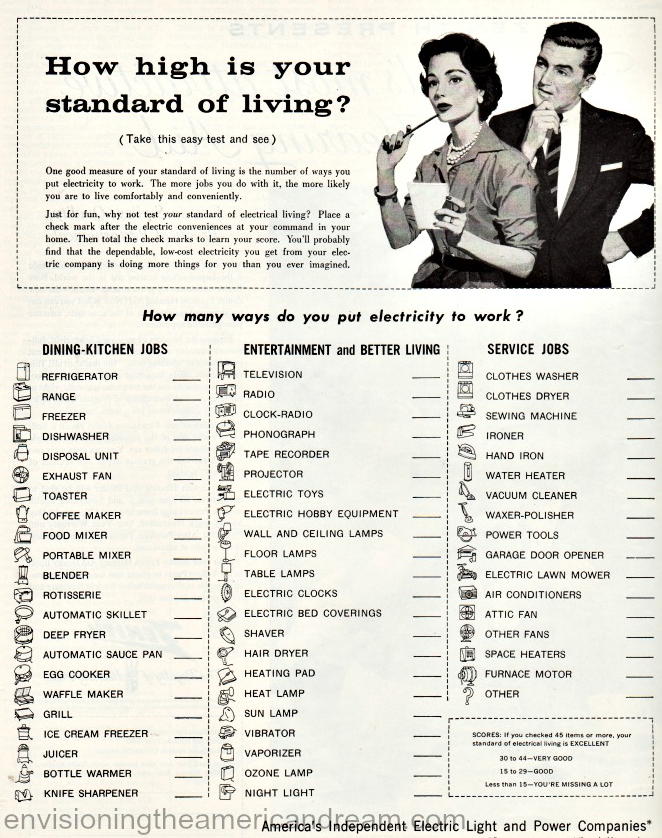
Nonetheless, we might well be on our way of creating a domestic environment where our only remaining form of exercise consists of lifting a finger to control an app. Does this abstention of physical activity not automatically lead to obesity? A 2013 call from mayor Bloomberg urged for more “domestic activity”. And new tech has an important role to play. We need to reexamine the way in which we design our technology. Because whereas the trend has so far been to remove physical activity out of our lives, technology should instead help us to exercise more. Long live technological innovation?
When you never have to lift a finger except to start an app, there are consequences.
The digitalization of our environment moves us to invest more energy into:
1. Creating an environment that supports physically engaged traveling
2. Building buildings that support “active” living
3. Healthy food
4. Recreation that invites exercise.
Now you might argue that technology already helps us to get on our feet. Smart watches tell us to move. And by counting the steps that we take or gamifying our exercise, we are supposed to get out of our lazy chair. But according to this 2016 report on tech, obesity and more, all these initiatives fail to weigh up against the consequences of our addiction to ease. Indeed, we might spend some of the time that we gain from having to perform less and less intensive household activities on sports. It is not enough.
On the other hand, participation in leisure-time physical activity (LTPA) has progressively increased over the years; however, it appears that on a secular basis, this has not been enough to offset increased sedentary behavior, as total physical activity is declining rapidly across the globe.
Technology brings us a lot. And a lot more is yet to come to make our lives even easier. Which is fine – and a good business model. But consumers should not fool themselves. Real progress does not always make everything easier. Does it?

